Artmaking as a way of listening
Kathryn is an artist and illustrator, proudly descended from Taranaki Tūturu iwi and the hapū of Ngā Mahanga a Tairi. Her work offers a glimpse of her home.
To many, soil is simply dirt — something to walk over, pave, or extract. In te ao Māori (the Māori world), however, soil carries memory, identity, history, grief, and belonging; it is the physical tissue of ancestors. Kathryn’s earth-pigment practice is not about observing a mountain from afar and rendering it on a synthetic canvas, but about painting in relationship with the whenua.
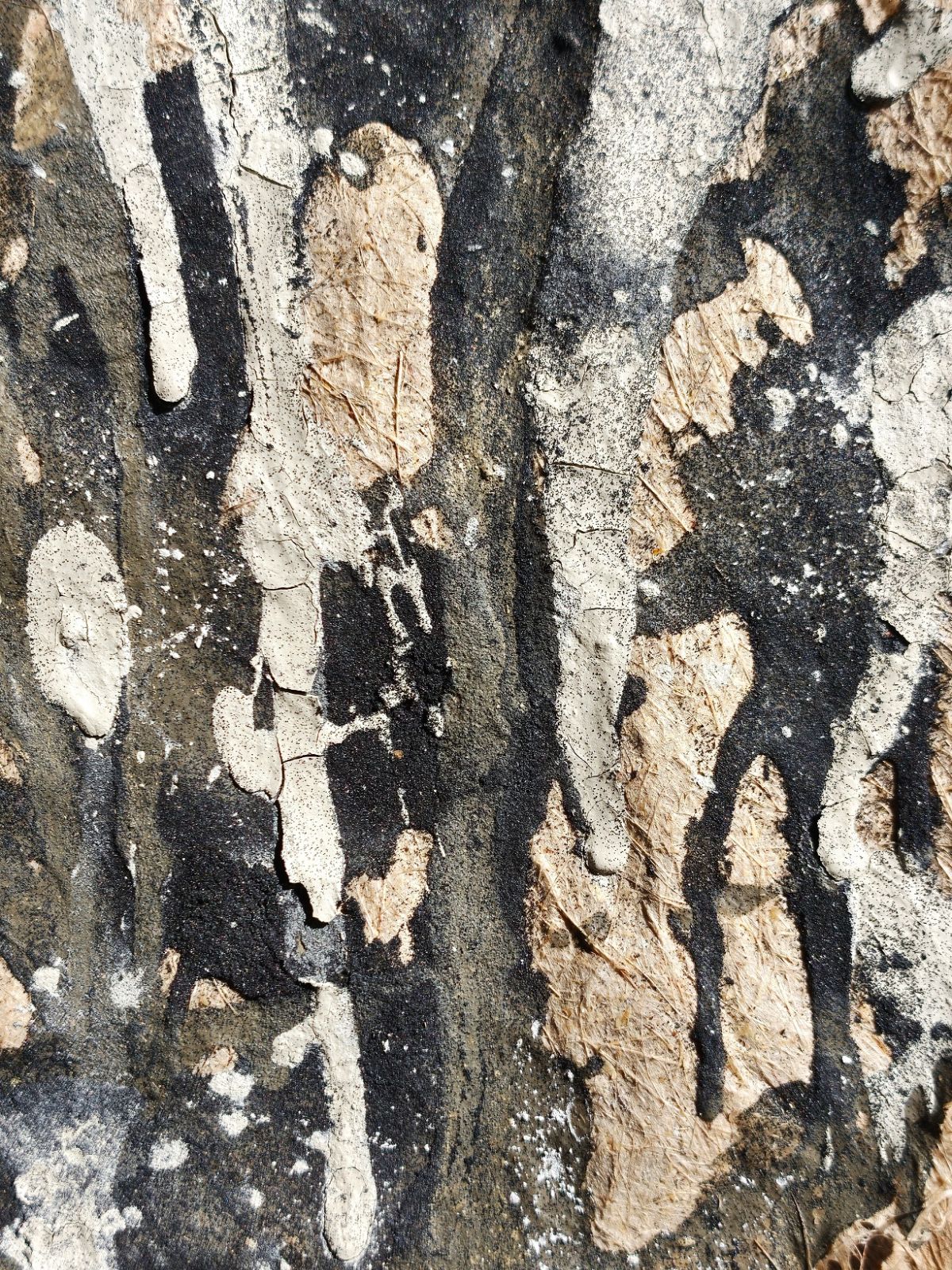
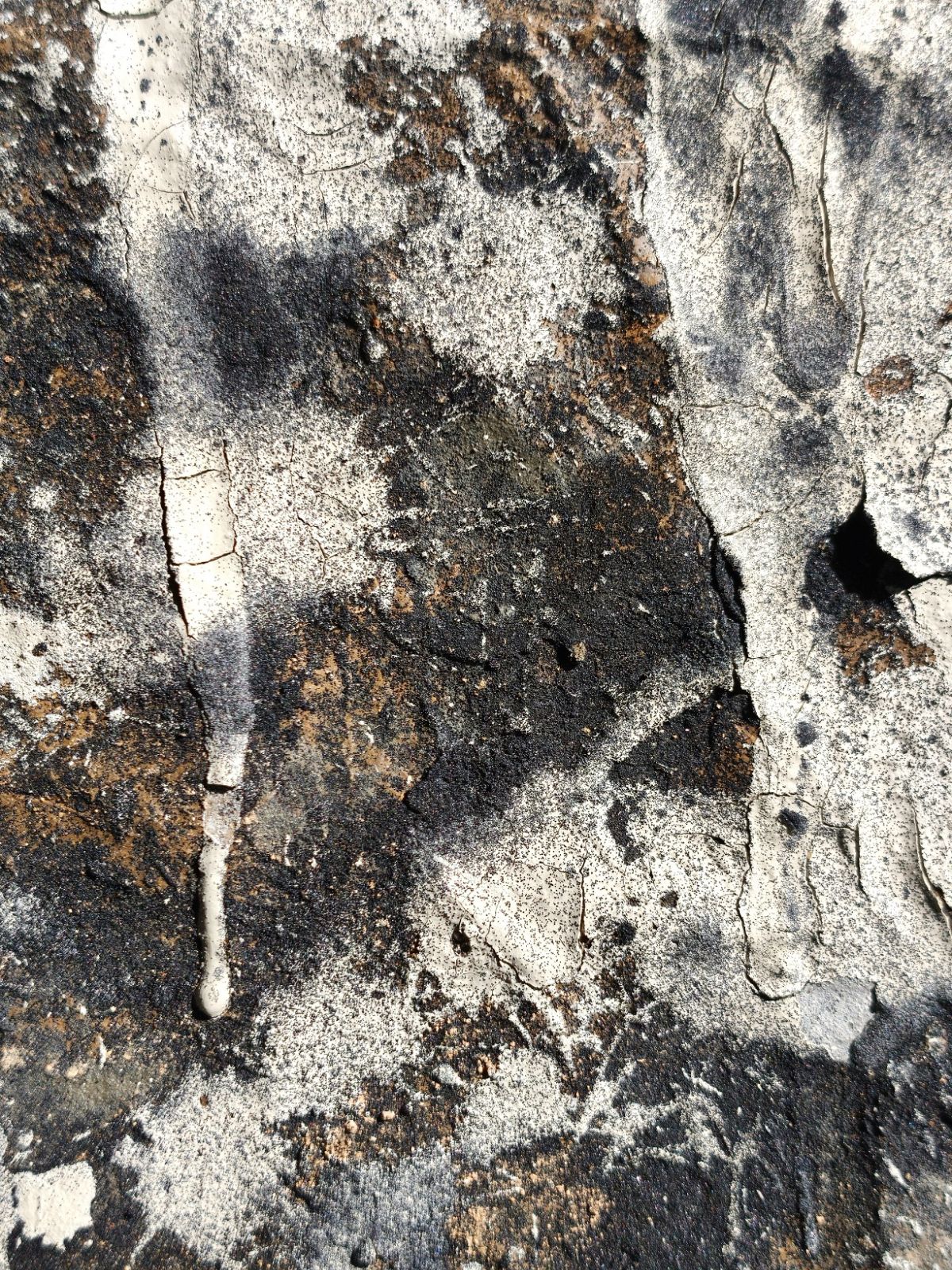
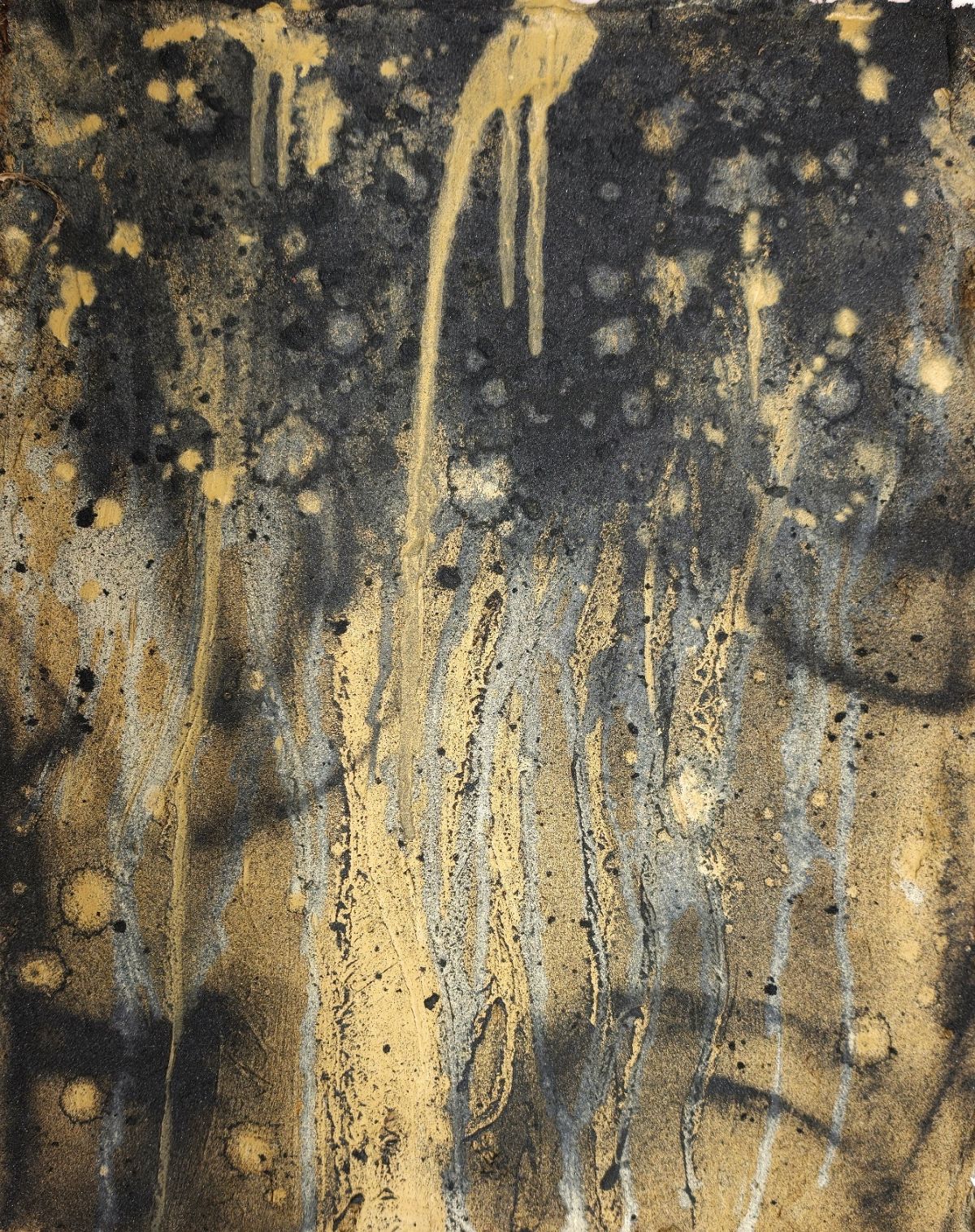
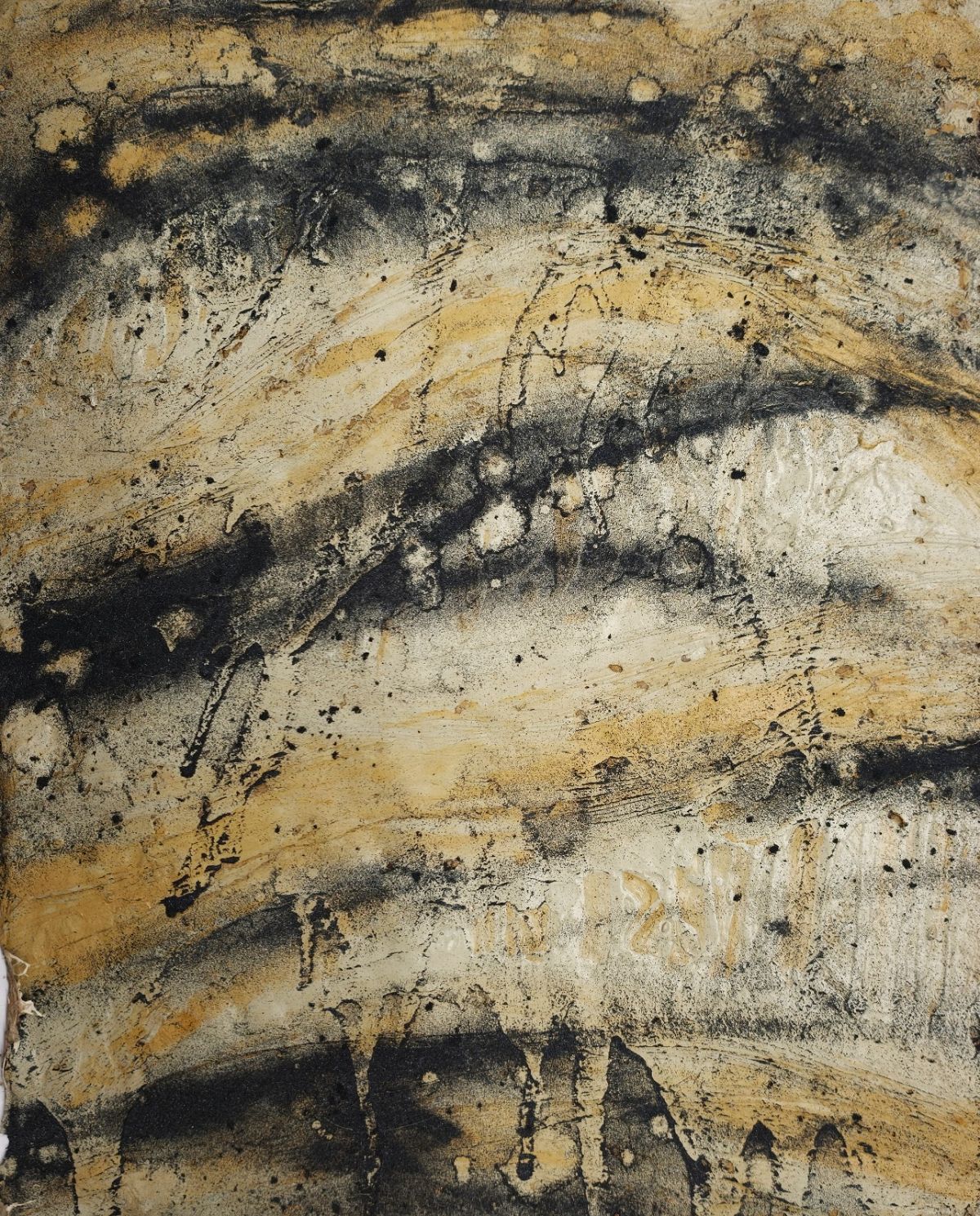
In Taranaki, the mounga (mountain) is more than a landmark. He is a tupuna, a living ancestor, and the conceptual, physical, and spiritual centre of life. Kathryn does not paint pictures of her ancestor; she paints with him. Rather than using store-bought art supplies, she hand-processes uku (sacred clay) and ironsand gathered carefully from significant ancestral sites within her rohe (home region), strictly following tikanga (protocols). Every colour carries its own whakapapa (genealogy), and she spends days grinding the materials with a mortar and pestle and baking the pigments to deepen their tones.
Kathryn views the climate crisis as a crisis of relationship, stemming from treating the Earth as a static resource rather than an animate ancestor. Where modern art often pursues permanence through synthetic polymers, plastics, and toxic binders, she rejects synthetic chemicals in favour of natural, plant-based binders. As a result, her paintings are fragile and responsive to moisture and time.
This impermanence is intentional. It reflects a cyclical understanding of time: the work is not meant to last forever in a sterile vault. Like all living things, it is made to return to the whenua — a living testament to leaving no trace and existing in harmony rather than dominance.